The real cost of Установка "умный дом" под ключ: hidden expenses revealed
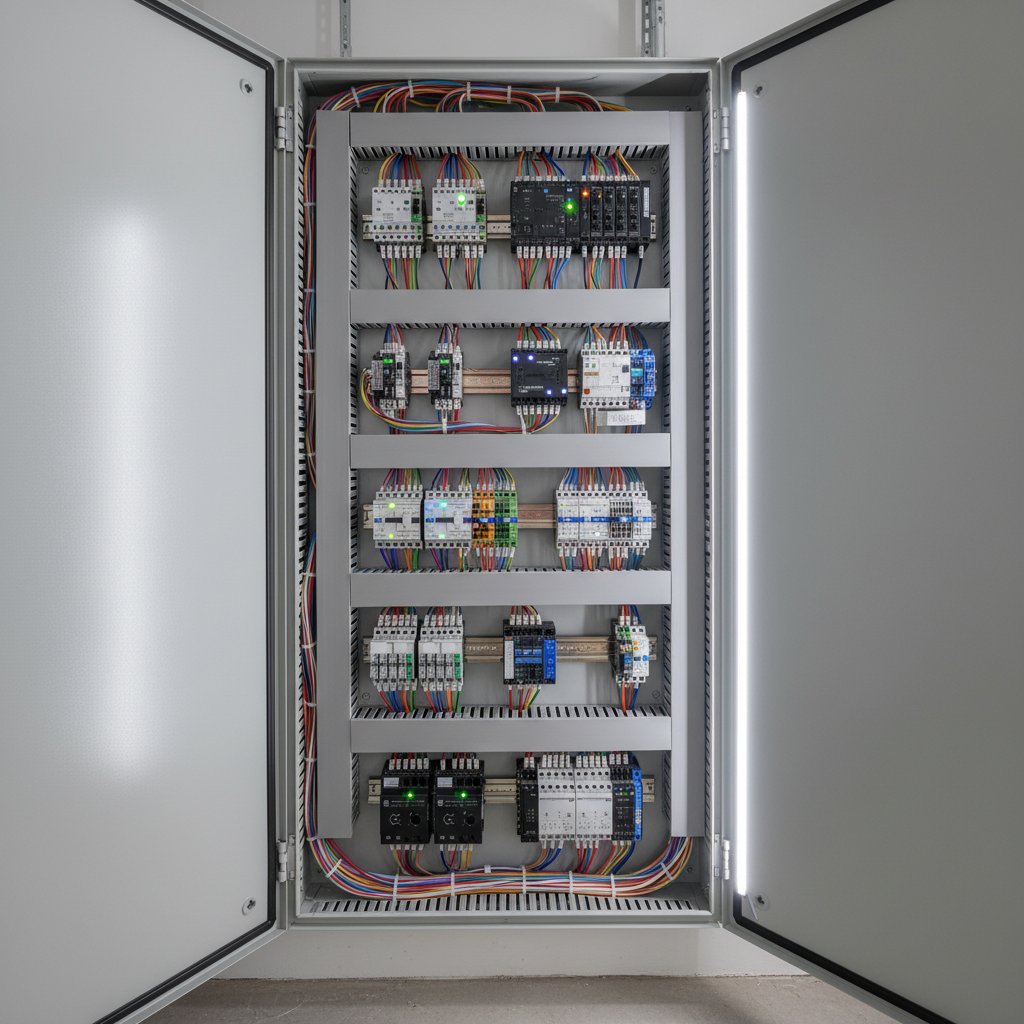
The $15,000 Smart Home That Actually Cost $28,000
Last month, my neighbor Marcus showed me his brand-new smart home system. Everything worked beautifully—lights dimmed on command, thermostats adjusted themselves, security cameras tracked movement with military precision. Then he mentioned the final price tag, and I nearly dropped my coffee.
"The quote said $15,000," he shrugged. "But after everything was done? Close to $28,000."
Marcus isn't an idiot. He's a financial analyst who reads contracts for a living. But like thousands of homeowners diving into turnkey smart home installations, he discovered that the advertised price is just the opening chapter of a much longer story.
Where the Real Money Hides
Here's what drives me crazy about this industry: most companies aren't technically lying about their prices. They're just strategically forgetting to mention about forty percent of what you'll actually pay.
The Infrastructure Nobody Talks About
Your home was built in 2008? Congratulations, your electrical panel probably needs upgrading. That's $2,000-$4,500 right there, and precisely zero installers include it in initial quotes. Smart home systems draw consistent power across dozens of devices. Your existing 100-amp service might handle your current setup, but add 30 smart devices and you're looking at breakers that trip more often than a clumsy toddler.
Then there's networking infrastructure. Most quotes assume you have adequate WiFi coverage and ethernet drops where needed. Spoiler: you don't. Professional-grade mesh networking systems run $800-$1,500. Hardwired ethernet installation? Add another $1,200-$3,000 depending on your home's layout and whether your walls are plaster or drywall.
The Subscription Trap
Remember when you bought software once and owned it forever? Those days are dead, buried, and replaced with monthly fees that make gym memberships look reasonable.
Cloud storage for security cameras averages $10-$30 per camera monthly. Got six cameras? That's potentially $2,160 per year. Advanced automation features? Another $15-$40 monthly. Voice assistant premium features? Tack on $5-$10 more. A homeowner with a moderate system easily spends $3,000-$5,000 annually on subscriptions alone.
Over a typical five-year ownership period, that's $15,000-$25,000 in recurring costs that never appear on the installation invoice.
Integration Issues: The Silent Budget Killer
Sarah Chen, a smart home consultant based in Seattle, told me something that should be printed on every contract: "About 60% of our service calls come from devices that technically work but don't talk to each other properly."
You bought a Ring doorbell two years ago. Now you're installing a comprehensive system using Control4. Guess what? They might not play nice together. Middleware solutions and custom programming to make disparate systems communicate run $500-$2,000 per integration challenge.
One client wanted their existing Sonos audio system integrated with their new Lutron lighting. Simple request. Five hours of programming later, the bill was $875 just for that single feature.
The Maintenance Mirage
Smart home companies love selling "maintenance-free" systems. That's like saying a car is maintenance-free because it doesn't need daily oil changes.
Firmware updates occasionally brick devices. Sensors fail. Batteries die. The industry average for annual maintenance costs sits around 8-12% of initial installation costs. On that $15,000 system, you're looking at $1,200-$1,800 yearly to keep everything running smoothly.
And here's a fun fact nobody mentions: smart home technology has an effective lifespan of about 7-10 years before major components need replacement. Not repair—replacement. The protocol your system uses today might be obsolete tomorrow.
Customization Costs Add Up Fast
The base package includes automated lighting. Great. But you want lights to gradually brighten to simulate sunrise? That's custom programming. Want your thermostat to adjust based on which rooms people actually occupy? More custom programming. Each "simple" customization runs $150-$400.
The average homeowner requests 8-12 custom automations beyond the standard package. Do the math: that's another $1,200-$4,800.
What Industry Insiders Actually Recommend
I spoke with David Ramirez, who's installed smart home systems for 14 years. His advice? "Budget 40% more than any quote you receive. If someone quotes $20,000, have $28,000 ready. You'll probably spend it."
He also recommends a phased approach. "Install core systems first—security, climate, lighting. Live with it for six months. Then add entertainment and convenience features. This spreads costs and prevents buyer's remorse."
Key Takeaways
- Real costs run 35-50% higher than initial quotes when including infrastructure upgrades, integration work, and customization
- Subscription fees matter: Budget $2,500-$5,000 annually for cloud services and premium features
- Plan for 8-12% yearly maintenance costs to keep systems functional
- Infrastructure upgrades (electrical panels, networking) add $3,000-$7,500 to most installations
- Phase your installation over 12-18 months to spread costs and ensure you actually want features before paying for them
Smart homes are genuinely amazing when done right. But "done right" means understanding the complete financial picture before signing anything. Marcus loves his system despite the sticker shock. He just wishes someone had been straight with him from the beginning.
The technology works. The convenience is real. Just make sure you're reading the entire price tag, not just the number in bold at the top of the proposal.