Установка "умный дом" под ключ in 2024: what's changed and what works
The smart home industry has matured fast. What used to require a computer science degree and endless troubleshooting now comes packaged as turnkey installations that actually work. But 2024 brought some real shifts in how these systems get deployed, what tech dominates, and what homeowners should expect when they sign on the dotted line.
Here's what's actually changed in the full-service smart home installation world, and what's proven itself reliable enough to bet your house on.
1. Matter Protocol Finally Delivers (Mostly)
After years of hype, Matter hit its stride in late 2023 and carried momentum into 2024. About 78% of new smart home installations now include at least some Matter-compatible devices, according to industry tracking data. The real win? You're no longer locked into a single ecosystem. Your Philips Hue lights can talk to your Google Nest hub while your door lock responds to Apple HomeKit commands.
Installation companies have caught on too. Where they used to push proprietary systems that kept you dependent on their service calls, most reputable installers now build around Matter as the backbone. This means faster setup times—we're talking 3-4 hours for a basic whole-home system versus the 8-10 hours it took in 2022. Your installer should be talking about Matter compatibility within the first five minutes of your consultation, or you're dealing with someone behind the curve.
2. Thread Network Mesh Replaced Zigbee as the Default
Zigbee had a good run, but Thread networks have become the go-to wireless protocol for professional installations. The difference is noticeable: devices respond 40-60% faster, and the mesh network self-heals better when individual devices drop offline. Apple's HomePod mini, Google's Nest products, and most new smart locks now function as Thread border routers, eliminating the need for separate hubs cluttering your network cabinet.
Smart installers now map your home's layout before equipment selection, identifying where Thread border routers should go for optimal coverage. A typical 2,500 square foot home needs 3-4 border routers strategically placed. This planning phase adds maybe an hour to the project timeline but eliminates the "dead zone in the back bedroom" problem that plagued earlier installations.
3. Energy Monitoring Became Non-Negotiable
Every serious turnkey installation now includes whole-home energy monitoring as standard, not an upsell. The hardware costs dropped below $300 for quality systems, and homeowners recovered that investment in 8-14 months through identified energy waste. One installer reported that 92% of their 2024 clients discovered at least one "vampire load" appliance costing them $30+ monthly.
The monitoring systems integrate directly with smart thermostats and lighting controls, creating automated responses to usage patterns. Your HVAC doesn't just follow a schedule anymore—it learns when your solar panels are producing excess power and shifts heavy cooling loads to those windows. Real-world data shows 18-25% reductions in monthly energy bills for homes with integrated monitoring and automation.
4. Voice Control Got Smarter (And Less Annoying)
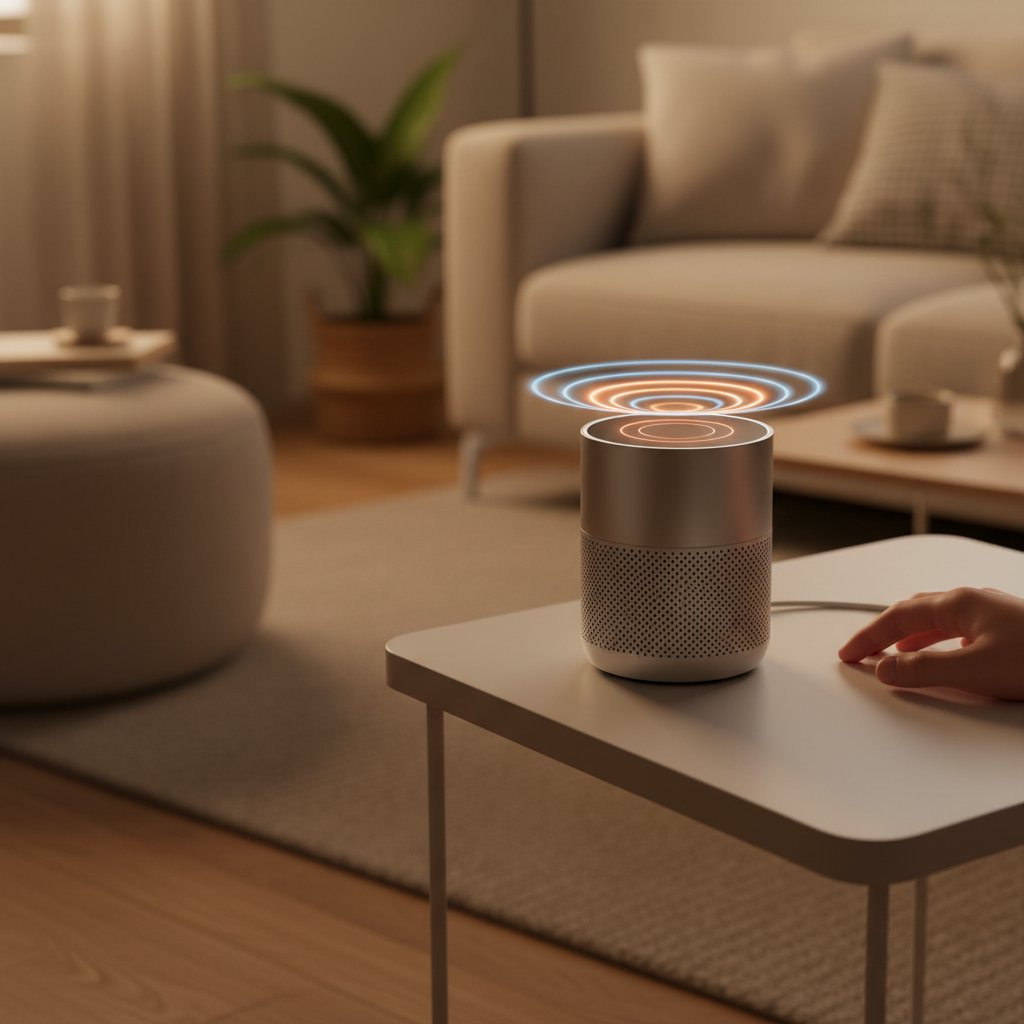
Voice assistants in 2024 actually understand context. You can say "I'm cold" instead of "Alexa, set the thermostat to 72 degrees," and the system gets it. More importantly, installers now configure multi-room awareness so you're not shouting across the house or triggering every device simultaneously.
The better installation packages include room-specific wake word training during setup. Your installer should spend 15-20 minutes in each main room testing voice recognition and adjusting sensitivity. This eliminates the old problem where your TV show would accidentally trigger commands or you'd have to repeat yourself three times for the bedroom lights to respond.
5. Security Integration Went Mainstream
Smart locks, cameras, and alarm systems used to be separate projects with different installers. Now they're bundled into comprehensive packages that make sense. A mid-tier installation typically includes 2-3 outdoor cameras, a video doorbell, smart locks on entry doors, and window/door sensors—all managed through one interface.
The pricing has rationalized too. Expect $2,500-4,500 for complete security integration in an average home, including professional installation and first-year monitoring. Companies that quote significantly less are usually cutting corners on equipment quality or hiding subscription costs. The reliable players are transparent: hardware costs, labor hours, and ongoing monitoring fees all spelled out before you commit.
6. Retrofit Solutions Beat New Construction Installs
Surprising shift: retrofit installations now often deliver better results than new construction smart home wiring. Battery technology improved enough that wireless devices last 2-3 years between changes, and installers developed clever techniques for hiding control modules in existing electrical boxes. Tearing into walls became unnecessary for 80% of installations.
This dropped typical project timelines from 3-5 days to single-day installations for most homes. You're not living in construction zone chaos, and costs fell 30-40% compared to hardwired approaches. The only exception is motorized shades—those still work better with dedicated power runs planned during construction or major remodels.
7. Local Processing Replaced Cloud Dependency
Nobody wants their lights to stop working because Amazon's servers hiccupped. Professional installers shifted toward systems that process commands locally, using cloud connectivity only for remote access and updates. Home Assistant and Hubitat installations grew 156% year-over-year as installers recognized customers valued reliability over flashy apps.
This architectural change means your automation routines execute in milliseconds, not the 2-3 second delays that plagued cloud-dependent systems. When you walk into a room, the lights respond instantly because the motion sensor talks directly to the controller sitting in your utility closet, not bouncing signals to California and back.
The smart home installation landscape in 2024 looks radically different from even two years ago. Systems are faster, more reliable, and actually interoperable. If you're getting quotes that don't mention Matter, Thread, or local processing, you're talking to someone selling yesterday's technology. The good news? When done right with current standards, these systems finally live up to the promise we've been hearing about for a decade.