Why most Установка "умный дом" под ключ projects fail (and how yours won't)
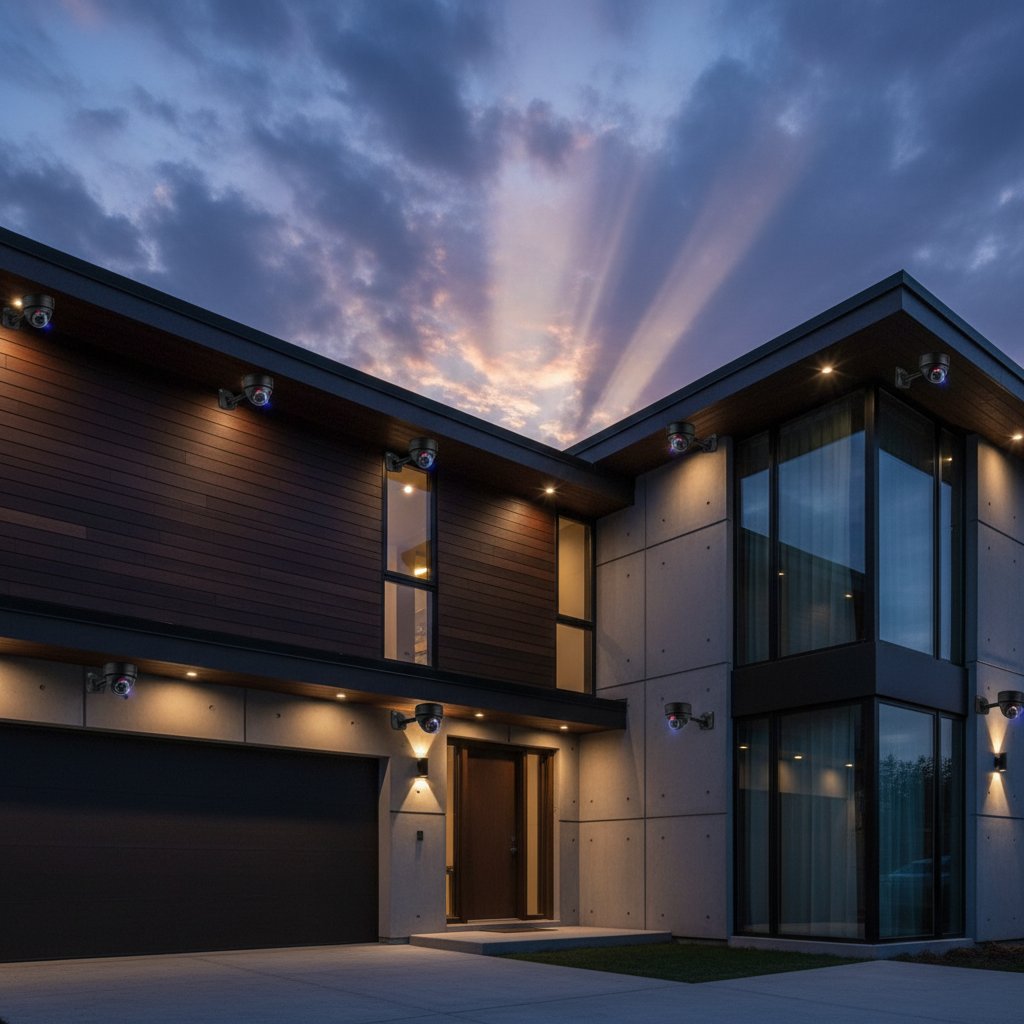
Your $25,000 Smart Home Dream Just Became a Nightmare
Picture this: You've just spent six months and a small fortune getting your entire house automated. The installers have left. You're standing in your living room, smartphone in hand, ready to control everything with a tap. Except the lights won't respond. The thermostat is stuck at 72 degrees. And your "smart" security system just locked you out of your own home.
Sound familiar? You're not alone. Industry data shows that roughly 40% of turnkey smart home installations require significant rework within the first year. Another 25% get abandoned entirely, leaving homeowners with expensive paperweights mounted on their walls.
I've been in this business long enough to see the same train wreck happen over and over. Let me show you why these projects implode—and more importantly, how to make sure yours doesn't.
The Real Reason Smart Home Projects Go Sideways
Most installers will blame "incompatible devices" or "user error." That's garbage. The real culprit? Nobody bothered to ask what you actually needed.
Here's what typically happens: An installer shows up with their preferred ecosystem—let's say they're all-in on one brand because they get a sweet dealer discount. They pitch you a package. You nod along because you don't know what half these devices do anyway. Three months later, you realize you can't integrate your existing doorbell camera, your HVAC system speaks a different protocol, and adding that pool controller you wanted would require ripping out half the system.
The Four Horsemen of Smart Home Failure
Protocol chaos. Your lighting runs on Zigbee, the locks use Z-Wave, the cameras need WiFi, and nothing talks to each other without seventeen different apps. One client I worked with had nine separate apps just to control their first-floor devices.
Network infrastructure that can't handle the load. Adding 50+ connected devices to a router designed for casual web browsing is like trying to run a marathon in flip-flops. When your mesh network drops out, so does everything connected to it.
Zero documentation. The installer leaves, and you have no idea which switch controls what, where the hub is located, or what happens when the power goes out. Good luck troubleshooting at 2 AM when your motion sensors start triggering randomly.
No expansion roadmap. You start with basics, then want to add motorized shades six months later. Surprise—your controller is maxed out, and upgrading means replacing the entire central hub at $3,500.
Red Flags That Should Make You Run
If your installer says "we only work with [single brand]," that's a problem. Ecosystems change. Companies get acquired. Firmware updates break compatibility. You need flexibility, not vendor lock-in.
Watch out for quotes that don't include network upgrades. A proper smart home needs commercial-grade WiFi coverage and a robust wired backbone. If they're planning to hang everything off your ISP-provided router, walk away.
No written integration plan? Major warning sign. You should see a detailed diagram showing how every device connects, which protocols are used, and what happens if any single component fails.
How to Actually Get This Right
Start with a lifestyle audit, not a product catalog. Spend a week tracking what you actually do in your home. When do you adjust the thermostat? How often do you use certain lights? Which doors get the most traffic? This data drives smart decisions about what to automate.
Build the infrastructure first. Before a single smart bulb gets installed, you need enterprise-grade networking. That means dedicated access points (plan for one per 1,000 square feet), a managed switch, and proper network segmentation. Budget 15-20% of your total project cost here.
Choose a platform-agnostic hub. Systems like Control4, Crestron, or open-source options like Home Assistant can integrate multiple protocols. Yes, they cost more upfront—figure $2,000-$5,000 for the controller alone—but you won't hit a compatibility wall later.
Phase the rollout. Start with one room or one system. Get the lighting perfect before moving to climate control. Master the basics before adding voice control. Each phase should work flawlessly before expanding.
Demand a digital twin. Your installer should provide a complete digital map of your system—every device, every connection, every automation rule. When something breaks (and it will), you'll know exactly where to look.
Keeping Your Smart Home Actually Smart
Schedule quarterly checkups. Firmware updates, protocol changes, and device failures happen. Catching them early prevents cascade failures where one dead sensor breaks three automations.
Keep a backup configuration. Your hub should back up to the cloud automatically, but also maintain a local copy. I've seen entire systems restored in under an hour because someone had the foresight to save last month's config file.
Build in 30% overhead capacity. If your controller supports 100 devices, don't load it past 70. When you want to add something new, you've got room to grow without a forklift upgrade.
The difference between a smart home that enhances your life and one that makes you want to throw every device out the window comes down to planning. Skip the shortcuts. Invest in the boring infrastructure stuff. Choose partners who ask annoying questions about your daily routines instead of just pushing product.
Your future self—the one who can actually turn off all the lights with a single tap—will thank you.